
your property, earning more. leave the management to us.
We handle the listings, guests, cleaning, and everything in between — so your short-term rental runs smoothly, earns consistently, and stays 5-star ready.
GET A FREE MARKET ANALYSIS
Discover your property's true potential and unlock its revenue possibilities.
Welcome To Prowess Property Management
PROPERTY MANAGEMENT OVERVIEW

Your Property Should Be Making You Money. Is It?
At At Prowess Property Services, we transform your short-term rental into a high-performing, guest-ready space that balances comfort, style, and consistent returns. Whether you own a cozy retreat or a modern suite, our team handles every detail — from listing setup and professional photography to guest management and cleaning coordination — creating a property that earns more and stresses you less. Let us turn your space into a five-star experience that keeps guests coming back..
No-Compromise Property Management
At Prowess Property Services, no-compromise quality is our standard. We meticulously vet every cleaner, coordinate every turnover, and oversee every guest interaction to ensure your property consistently exceeds expectations. From the first booking to the final review, trust us to deliver exceptional results — every single time.
PROWESS PROPERTY MANAGEMENT
Everything Your Property Needs, All in One Place At Prowess Property Management, we take the stress out of short-term rental ownership. From getting your property listed and guest-ready to handling every booking, cleaning, and payment — our team manages it all so you can earn hands-free:




Advertising & Listing Optimization We build listings that rank and convert. Data-driven pricing, platform optimization, market analysis, and multi-channel exposure — all engineered to keep your calendar full and your nightly rate competitive.
Guest Communication Inquiries, reservations, damage claims, 24/7 support — we own it all. Your guests get fast, professional responses around the clock. You don't lift a finger.
Cleaning Coordination No more chasing cleaners or worrying about turnover gaps. We schedule, coordinate, and oversee every clean so your property is flawless before every single guest arrives.
Revenue Transparency Monthly statements. Detailed reports. No hidden fees. You always know exactly what's coming in and where every dollar goes.
Free Property Management Software Prowess RentalHost gives you full visibility into your rental business — bookings, earnings, cleaning schedules, and performance tracking — completely free. No extra cost, no excuses.

Unlock its revenue possibilities now!
The Benefit You Can Get!
Tenant Screening
Efficient Payment Collection
Determine Optimal Rate
Your Property is Our Priority
Customer-Centric Service
More Time for Your Self
Frequently Asked Questions
What services does a property management company provide?
A property management company handles every aspect of your short-term rental — from listing setup and dynamic pricing to guest communications and cleaning coordination. At Prowess, we go further — combining market expertise, professional photography, and full-service platform management across Airbnb, VRBO, and Booking.com to maximize what your property earns.
How Prowess will handle property listings?
At Prowess Property Management, we believe that the key to a great guest experience is efficient response time to guest inquiries. That's why we're always available 24/7 to answer any questions and concerns the guest may have—no matter how small or big they may be! We also know that providing guests with check-in and check-out instructions can make all the difference in your guests' experience. With our help, you'll be able to experience stress-free short term rental property experience from start to finish!.
How do you handle the cleaning and maintenance issues?
Cleanliness is one of the biggest drivers of five-star reviews — and one missed turnover can cost you your rating. At Prowess, we help you source a reliable local cleaner or handyman who meets our standards, then manage all scheduling and communication on your behalf for every guest stay. You get a consistently guest-ready property without the coordination burden — and your guests get the experience that keeps them coming back.
What are your fees for property management services?
From listing setup and booking management to guest check-in, housekeeping coordination, and review management — Prowess handles every aspect of your short-term rental under one roof. Our full-service co-hosting fee starts at 15% of monthly gross revenue. And with our No Booking, No Management Fee policy, your success is always our priority.
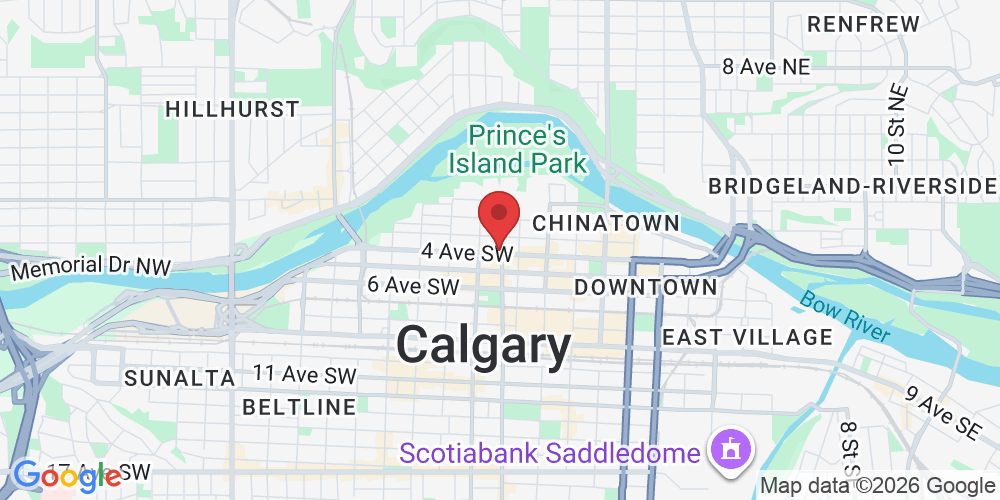
Come visit us
Get In Touch
Hours
Mon – Sun 9:00am – 8:00pm
Contact Us
New Location
Testimonials

As an out-of-state property owner, I needed a management company I could trust. Prowess Property Management has exceeded my expectations. They keep me informed with regular updates, manage my property meticulously, and have significantly reduced my vacancy rates. Their attention to detail and commitment to quality service give me peace of mind knowing my investment is in good hands.
Michael T


Working with Prowess Property Management has been a game-changer for me. They handle everything with such professionalism, from handling every booking, cleaning, and payment — our team manages it all so you can earn hands-free. I no longer have to worry about the day-to-day hassles of managing my property. Their team is responsive, efficient, and truly cares about both the property and the te. I couldn't be happier with their service!
Jessica R
Shop:
500 4 Ave SW Suit 2500, Calgary, AB T2P 2V6, Canada
Call
+1 587-570-7355
Email:
[email protected]
Site:
go.prowessproperty.ca